Lifestyle
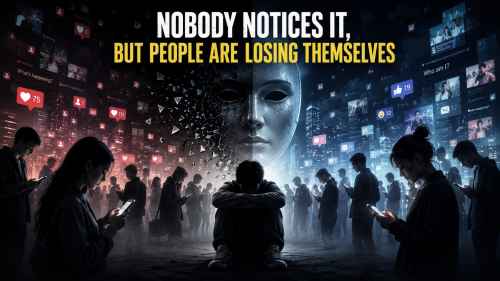
This generation wakes up every morning and immediately consumes other people’s lives before thinking about their own isn't that concerning? From the moment people pick up their phones, they are already being influenced on how to dress, think, behave, speak, look, and live. Slowly, many are becoming versions of what the internet rewards instead of who they truly are. And the scary part is that most people think this is normal.Modern society has turned identity into performance. People now shape their personalities around attention, validation, trends, and social acceptance because being authentic feels risky in a world obsessed with fitting in. Many no longer ask themselves what genuinely makes them happy or what they truly believe in. Instead, they subconsciously build their identity around what gets approval online. That is why so many people secretly feel emotionally disconnected, confused, and mentally exhausted despite looking confident on social media.One major reason this identity crisis keeps growing is because people rarely spend time alone with their real thoughts anymore. There is always noise — scrolling, entertainment, notifications, opinions, trends. Silence now feels uncomfortable because it forces people to confront themselves honestly. Over time, many become so dependent on external validation that they slowly lose touch with their real personality, values, and purpose. Some people are no longer living authentically; they are performing constantly for society.The solution begins with disconnecting long enough to reconnect with yourself again. Real identity is not built through trends or internet approval but through self-awareness, life experiences, personal values, deep thinking, meaningful relationships, and emotional honesty. People need to stop asking, “How do I fit in?” and start asking, “Who am I becoming?” Because in a world where everybody is trying to become accepted, being genuinely yourself may become the rarest form of freedom left.Important PointsSocial media is influencing how people build identityMany people seek validation more than authenticityConstant comparison is making people emotionally confusedInternet trends are shaping personalities subconsciouslyPeople spend more time consuming than reflectingSilence and self-reflection have become uncomfortableEmotional disconnection is increasing despite online activityReal identity comes from self-awareness and personal valuesAuthenticity is becoming rare in modern societyPeople need to reconnect with themselves offlineWhat do you think — is modern society helping people discover themselves or making them lose themselves completely? Share your thoughts and explore more deep psychological and society-based articles on trendio.blog.Powered by Froala Editor
May 26, 2026
1,265 views
Lifestyle
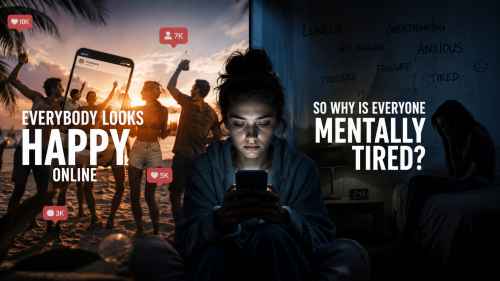
Scroll through social media for just ten minutes and one thing becomes obvious: everybody seems happy.People are traveling, laughing, making money, showing perfect relationships, posting gym progress, buying new phones, celebrating wins, and living lives that appear exciting every single day. From the outside, it looks like this generation is enjoying life more than any generation before it.But behind many of those screens is a completely different reality.Many people are mentally exhausted. And the scary part is that most people no longer know how to talk about it honestly.This generation wakes up every morning into pressure. The pressure to succeed. The pressure to look attractive. The pressure to stay relevant. The pressure to keep up with trends. The pressure to appear happy even during difficult moments.Social media has quietly turned life into a nonstop performance.People now feel the need to constantly prove they are doing well, even when they are emotionally struggling privately. Some people smile online while battling loneliness. Others post luxury while drowning in financial stress. Some enter relationships not because they feel emotionally safe, but because they fear being alone in a world where everybody else appears happy.Comparison has become automatic.The average person now compares their real life to thousands of edited lifestyles online every week. And even when people know social media is filtered, the human mind still reacts emotionally to what it sees repeatedly.That is why many young people constantly feel “behind” in life.Someone buys a car online, and suddenly another person feels unsuccessful. Someone announces engagement photos, and another person starts questioning their own relationship. Someone posts vacation pictures, and another person begins feeling trapped in their everyday reality.The internet created unlimited visibility — but it also created unlimited comparison.At the same time, this generation rarely rests mentally anymore. Phones have become the first thing many people check in the morning and the last thing they see before sleeping. The brain barely gets silence. Every day comes with news, arguments, opinions, trends, drama, expectations, and information overload.People are entertained constantly, but mentally relaxed less than ever before.And because everybody appears “fine” online, many people suffer quietly. Some are afraid to admit they feel lost because society now celebrates appearing strong more than being emotionally honest.But maybe the real solution is simpler than people think.Maybe happiness was never supposed to come from constant validation, endless comparison, or online performance. Maybe peace begins when people stop trying to impress strangers and start reconnecting with reality again — real friendships, real conversations, real purpose, and real self-worth beyond social media.Because at the end of the day, a generation that constantly performs happiness may eventually forget how genuine happiness actually feels.What do you think — is social media helping people emotionally, or silently draining this generation mentally?Visit trendio.blog for more deep social discussions, relationship psychology, entertainment updates, and modern culture conversations shaping today’s world.Powered by Froala Editor
May 25, 2026
1,563 views

Lifestyle
Nigeria’s economy is becoming tougher every year. The prices of food, fuel, rent, and transportation keep increasing, while many salaries remain the same. This is why thousands of Nigerians are now searching for smarter ways to survive and build financial stability.The truth is simple: escaping poverty today requires more than just hard work. It demands valuable skills, multiple sources of income, financial discipline, and the right mindset.1. Learn High-Income SkillsOne of the biggest differences between financially struggling people and financially stable people is skill value. The more valuable your skill is, the higher your chances of earning good money.Today, digital and technical skills are changing lives across Nigeria. Skills like:Graphic designVideo editingDigital marketingSoftware developmentContent creationData analysisUI/UX designallow many Nigerians to work online and even earn in dollars or pounds.Vocational skills are also highly profitable. Electricians, fashion designers, hair stylists, plumbers, and technicians are constantly in demand because people always need their services.The internet has made learning easier than ever. Platforms like YouTube and free online courses now allow anyone willing to learn to start building profitable skills from home.2. Stop Depending on One Source of IncomeIn today’s economy, relying on one salary alone can be risky. Inflation keeps reducing purchasing power, and unexpected expenses can destroy financial plans overnight.This is why many financially smart Nigerians now build multiple streams of income.Some common side hustles include:POS businessSelling airtime and dataFreelancingMini importationAffiliate marketingOnline businessesAgriculture and farmingHaving extra income creates financial security and reduces pressure during difficult times.The goal is simple: create money from different directions instead of depending on one source.3. Practice Financial DisciplineMany people earn money but still remain broke because of poor spending habits.Social pressure has pushed many Nigerians into unnecessary competition. Some people spend heavily on expensive phones, designer clothes, parties, or luxury lifestyles just to impress others online.Real financial growth requires discipline.Instead of spending recklessly:Save regularlyAvoid unnecessary debtsReduce impulsive spendingFocus on investments that can grow your incomeA disciplined person with small income can eventually become financially stable, while an undisciplined person with big income may still remain broke.4. Save and Invest WiselySaving money is important, but investing is what truly builds wealth.Even small savings can become powerful when done consistently. Smart Nigerians are now investing in:Small businessesAgricultureReal estateDigital businessesEquipment and tools for workMoney should not only be spent — it should also be used to create more money.Building wealth takes patience, consistency, and smart decisions over time.5. Build the Right ConnectionsYour environment can shape your future more than you realize.When you surround yourself with ambitious and knowledgeable people, you gain access to:Better opportunitiesUseful informationMentorshipBusiness ideasCareer guidanceMany successful people were once ordinary individuals who simply met the right people and stayed open to learning.Networking is no longer optional in today’s world. Sometimes, one connection can completely change your life.Final ThoughtsThe biggest mindset shift Nigerians need today is moving from consumption to production.Instead of only consuming trends, entertainment, and luxury lifestyles, more people need to focus on creating value, solving problems, and building profitable systems.There is no magic formula for escaping poverty overnight. But those who learn valuable skills, build multiple income streams, stay financially disciplined, and remain consistent have a much higher chance of achieving financial freedom.What do you think is the biggest obstacle stopping many Nigerians from becoming financially stable today?For more motivational and reality-based articles on success, money, lifestyle, and opportunities, keep following Trendio Blog.Powered by Froala Editor
May 21, 2026
1,244 views

Entertainment
The internet is no longer driven by talent alone. In today’s digital era, scandals travel faster than achievements, and nothing spreads quicker online than sex allegations involving celebrities. The trending controversy surrounding Nigerian singer Chike and media personality Frank Edoho has once again exposed how modern social media feeds aggressively on relationship drama, emotional outrage, and public controversy.As the allegations continue dominating conversations across TikTok, Facebook, Instagram, and X, many Nigerians have noticed something unexpected — a surprising number of women online appear to be defending the idea of a married woman allegedly getting involved with another man. For some people, that reaction is more shocking than the scandal itself.The debate quickly moved beyond Chike and Frank Edoho and became a larger conversation about relationships in modern society. Some online users argued that unhappy marriages push people into emotional connections elsewhere. Others claimed that nobody truly “owns” their partner emotionally. While many strongly condemned the alleged affair, others focused more on emotional satisfaction than loyalty or commitment.This growing mindset reveals how much social media has changed public morality and relationship values. Years ago, cheating allegations involving celebrities usually ended with widespread condemnation. Today, the internet often turns these situations into entertainment, debate content, memes, and fan wars instead of serious discussions about trust and accountability.One major reason these scandals trend so heavily is because outrage sells. Social media algorithms reward emotional content. The more controversial a topic becomes, the more engagement it receives. Blogs repost it, influencers react to it, podcasts analyze it, and content creators turn it into daily discussions. In many cases, a relationship scandal generates more attention than a celebrity’s actual career achievements.Another reason some women may appear supportive online is emotional relatability. Many people project their personal relationship experiences into celebrity controversies. If they have experienced emotional neglect, toxic relationships, or heartbreak before, they may sympathize more with the woman involved rather than judging the action itself. Social media reactions are often emotional before they are logical.Celebrity culture also plays a major role. Fans sometimes defend famous people regardless of the allegations because admiration clouds objectivity. In today’s internet culture, popularity can easily influence public opinion, especially when the accused person already has a loyal fanbase.The Chike and Frank Edoho saga may eventually fade from headlines, but the conversation it sparked reflects a deeper issue in modern society. We are now living in a time where controversy creates visibility faster than talent, where private relationships become public entertainment, and where online validation often shapes public morality.The real question is no longer just about who allegedly did what. The bigger question is this: Has the digital era made scandals the fastest route to attention, relevance, and internet fame?For more viral entertainment stories, celebrity updates, and digital culture discussions, visit trendio.blogPowered by Froala Editor
May 18, 2026
1,754 views

Lifestyle
Some people hug you while secretly competing with you. Some cheer for you in public but laugh at your struggles in private. And the worst part? Fake people rarely expose themselves early.They study you first. They blend in. They act loyal until their real character slips out through small behaviors most people ignore.If you’ve ever felt drained, betrayed, or confused by someone close to you, these signs might explain why.1. They Celebrate You… But Look Uncomfortable When You WinWatch their face carefully when good things happen to you. Fake people clap with their hands but compete with their hearts.2. They Want Your Secrets More Than Your HappinessNot everyone asking personal questions cares about you. Some people collect information the same way gossip blogs collect headlines.3. Their Personality Changes Around Different PeopleOne minute they agree with you. The next minute they switch sides depending on the room they’re in. Consistency exposes authenticity.4. They Vanish When Life Gets HardThe people who disappear during your worst moments were never truly present during your best ones.5. Every Conversation Somehow Becomes About ThemYou talk about your pain, dreams, or achievements, and somehow they redirect the spotlight back to themselves. Attention is their addiction.6. They Compliment You With Hidden Insults“You actually look good today.”“I didn’t expect you to succeed this much.”Fake people often hide jealousy inside compliments.7. They Love Drama a Little Too MuchIf someone always has problems with everybody, eventually your name may enter the conversation too.8. Your Success Changes Their EnergySome people love you until you start growing faster than them. Suddenly the support feels colder, the communication changes, and the distance increases.9. Your Gut Has Been Warning You for a WhileSometimes your spirit notices danger before your emotions accept it. Never ignore repeated discomfort around someone.Here’s the Painful TruthFake people are not always strangers. Sometimes they are the people sitting closest to you, laughing hardest with you, or claiming they would “never switch up.”But patterns never lie for long.The moment you stop ignoring behavior and start observing consistency, many people reveal themselves naturally.And once you see it… you can never unsee it.For more viral relationship and human behavior stories, visit Trendio Blog�Powered by Froala Editor
May 12, 2026
1,373 views

Lifestyle
Have you ever walked into a room and suddenly felt unwanted for no clear reason? Maybe someone replied with a dry text, avoided eye contact, or acted differently around you — and instantly your mind whispered, “They don’t like me.”But what if the real problem isn’t hatred? What if people are simply reflecting the version of yourself you secretly believe in?This is one of the hardest truths about human interaction: sometimes the people around us become mirrors. They reflect our confidence, our insecurities, our energy, and even the silent battles happening inside our minds.Many people spend years believing the world is against them when, in reality, they are fighting an internal war nobody else can see. A person who feels unworthy may interpret silence as rejection. Someone who fears abandonment may see distance where none exists. In many cases, anxiety speaks louder than reality.That doesn’t mean hatred isn’t real. Some people truly dislike others because of jealousy, misunderstandings, competition, personality clashes, or unresolved personal issues. Not everybody will connect with you, and that’s normal. Even the most loved celebrities, leaders, and influencers have critics who can’t stand them.However, constantly believing everyone hates you can quietly destroy your confidence, relationships, and peace of mind. It can make you overthink every conversation, seek validation from strangers, and slowly lose your authentic self trying to please everybody.The scary part? Sometimes people’s reactions are also showing us uncomfortable truths about ourselves. Maybe we interrupt too much. Maybe we shut people out emotionally. Maybe we carry bitterness, pride, or insecurity without realizing how visible it has become. Human beings often discover who they are through how others respond to them.The difference between reality and self-projection usually comes down to patterns. One awkward interaction means nothing. But if multiple trustworthy people repeatedly point out the same issue, it may be time for self-reflection instead of self-defense.At the end of the day, the goal is not to make the entire world like you. That’s impossible. The real goal is to know yourself deeply enough that other people’s opinions no longer control your identity.Maybe the world is not secretly against you. Maybe it’s simply responding to the energy, fears, and confidence you carry within yourself.And once you understand that, everything about human relationships starts to change.What do you think — are people truly against us, or are they just reflecting who we already believe we are? Drop your thoughts in the comments and share this post with someone who overthinks relationships.For more deep relationship and lifestyle discussions, visit Trendio Blog�Powered by Froala Editor
May 12, 2026
1,854 views

Entertainment
New York has never felt darker.Season 2 of Daredevil: Born Again throws Matt Murdock into his most dangerous war yet — a brutal collision between justice, fear, and the cost of truth.Wilson Fisk rises higher than ever, tightening his grip on the city with power that feels impossible to stop. Streets burn with tension, allies are pushed to their limits, and every decision Matt makes drags him closer to losing the life he fought to protect. But this season is not just about fists and masks — it is about sacrifice.As secrets explode and loyalties crack, Matt makes a decision nobody saw coming: revealing to the world that he is Daredevil. The moment shocks New York, destroys political empires, and turns the courtroom into a battlefield more dangerous than Hell’s Kitchen itself.Karen Page becomes the emotional center of the storm, while Fisk’s downfall unleashes consequences that feel far from over. Enemies disappear into the shadows, unfinished stories linger, and the finale leaves behind chilling questions that could change the future of Daredevil forever.And that ending?It does not feel like closure.It feels like the beginning of something even bigger. 🔥👀Powered by Froala Editor
May 07, 2026
1,783 views

News
The Federal Government has declared war on the growing trend of honorary degree recipients calling themselves “Dr” in public and professional spaces.In a major decision announced on Wednesday, the government warned that anyone awarded an honorary doctorate must stop attaching the title “Dr” to their names in official, academic, or business dealings — or risk being accused of academic fraud.Minister of Education, Tunji Alausa, made the announcement at the Presidential Villa in Abuja while briefing journalists after the Federal Executive Council meeting.According to the minister, the misuse of honorary titles has become a serious issue capable of misleading the public and damaging the credibility of Nigeria’s education system.He revealed that the Federal Executive Council has now approved a strict nationwide policy guiding how honorary degrees can be awarded and used by Nigerian universities.The new directive means recipients of honorary doctorates can celebrate the honour, but can no longer parade themselves as certified academic doctors in professional or official environments.The announcement has already sparked reactions online, with many Nigerians debating whether celebrities, politicians, pastors, and businessmen who proudly use the “Dr” title despite earning honorary awards will now be forced to drop it.What do you think? Should honorary degree holders be banned from using “Dr” completely, or is the government going too far?For more trending politics, celebrity gist, and breaking Nigerian updates, stay locked to trendio.blog.Powered by Froala Editor
May 07, 2026
1,553 views

News
"A quiet but powerful shift has taken place at Zenith Bank—one that signals the end of an era and the beginning of something new."After decades at the helm, Jim Ovia has stepped down as Group Chairman, drawing the curtain on a leadership journey that helped shape one of Nigeria’s most dominant financial institutions. His exit was not abrupt, but it still carries weight. For many, Ovia wasn’t just a chairman—he was the backbone of the bank’s identity, growth, and consistency.Now, the spotlight turns to Mustafa Bello.Bello’s appointment as the new Group Chairman may appear sudden to outsiders, but within Zenith Bank, it reflects continuity rather than disruption. A long-serving board member and seasoned non-executive director, Bello has been deeply embedded in the bank’s governance structure. His rise suggests a carefully managed transition—one designed to maintain stability while complying with regulatory requirements.Why the Change HappenedThe leadership transition is closely tied to corporate governance rules set by the Central Bank of Nigeria, which place limits on how long individuals can serve in top positions. Having completed the maximum tenure, Ovia’s exit became inevitable.But instead of looking outward for a successor, Zenith Bank chose to promote from within. This decision signals confidence in its existing leadership structure and a desire to avoid unnecessary turbulence.What It Means for Zenith BankAt its core, this shift is about balance—preserving a strong legacy while making room for evolution.Under Ovia, Zenith Bank built a reputation for financial strength, disciplined management, and strategic growth. The challenge now is whether Bello can sustain that momentum while also bringing his own perspective to the role.His deep familiarity with the bank’s operations and culture may work in his favor. Investors and stakeholders often value continuity, especially in a sector where trust is critical. However, expectations will be high. Bello is not just maintaining a system—he is expected to guide it through an increasingly competitive and rapidly changing financial landscape.A Subtle but Significant Turning PointWhile there has been no dramatic overhaul, this transition marks a defining moment. Leadership changes at this level rarely happen without long-term implications. Even when the strategy remains consistent, the tone, priorities, and pace of decision-making can shift.For Zenith Bank, this could mean a period of quiet recalibration—where stability is preserved, but new ideas gradually take shape.The Bottom LineJim Ovia’s exit marks the end of a foundational chapter, while Mustafa Bello’s emergence signals continuity with a touch of renewal. It’s less of a disruption and more of a strategic handover—one that keeps Zenith Bank grounded while positioning it for the future.Still, the real story is just beginning.Because in banking, leadership changes don’t just reflect the present—they shape what comes next.Powered by Froala Editor
May 06, 2026
1,245 views